
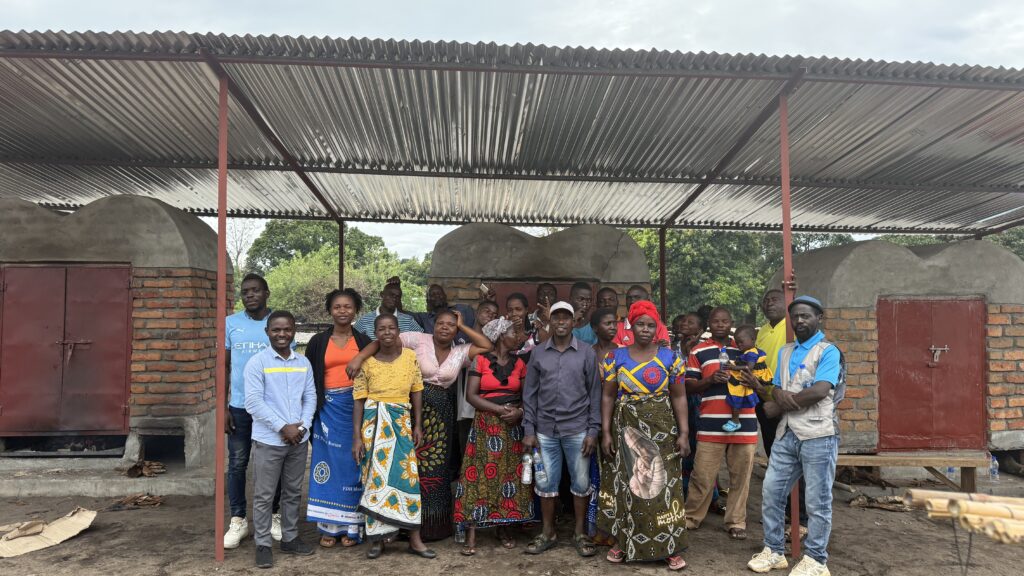
The Green-Profish Project, supported by the Global Environment Facility Small Grants Program, and UNDP Malawi, is being implemented at Sanga Beach, Nkhatabay District, and aims to introduce climate-smart fish production technologies and build sustainable livelihoods for vulnerable communities across Malawi. From February 2025 to February 2026, 30 direct beneficiaries from the Sanga Beach community are being taught briquette-based smoking practices, pond management skills, and improved maintenance of fish drying racks, designed to improve both the efficiency and sustainability of their fish processing.
Recently, Kawjo Foundation conducted a hands-on workshop along side Go Green Malawi with this community to guide participants through the complete sustainable fish production process, from fabricating briquettes to producing high-quality smoked fish using our improved smoking kilns, constructed earlier this year. This workshop was conducted to equip community members with the skills and knowledge needed for long-term, independent production while promoting environmentally friendly, cost-effective practices.
Before this project began, the community relied on traditional fish-smoking methods to prepare fish for both personal consumption and selling at local markets. These older methods were difficult to manage and often exposed the fish to polluted smoke, ash, and open-air contaminants. They also consumed large amounts of firewood and required almost twice as much time per batch to smoke. Because of these challenges, the fish produced were often inconsistent in texture, appearance, and shelf life, resulting in a lower-quality product than what is now being made with the improved kilns under this project.
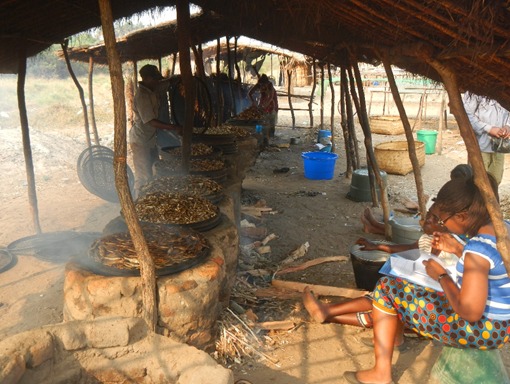
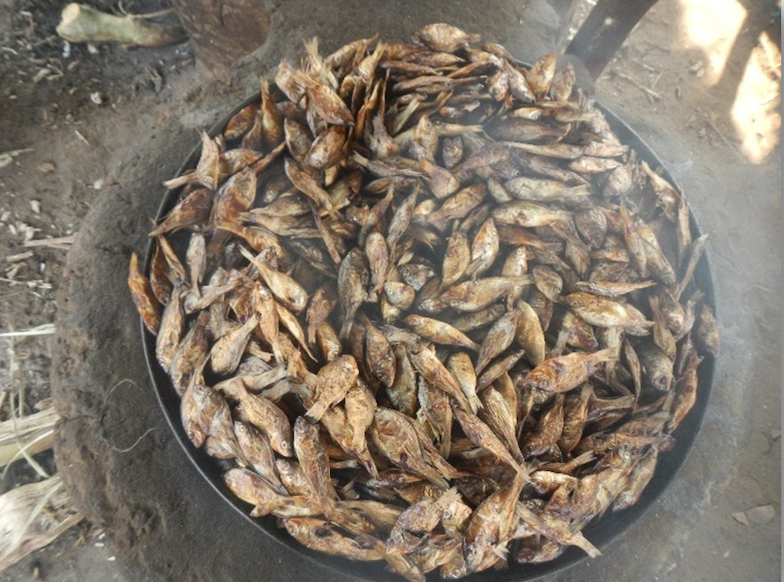
Briquette Fabrication:
The briquette fabrication process helped introduce the community to the ability to produce their own fuel and become almost completely self-reliant. This demonstration not only helped participants understand the entire construction process but also the environmental benefits of replacing traditional firewood with briquettes.
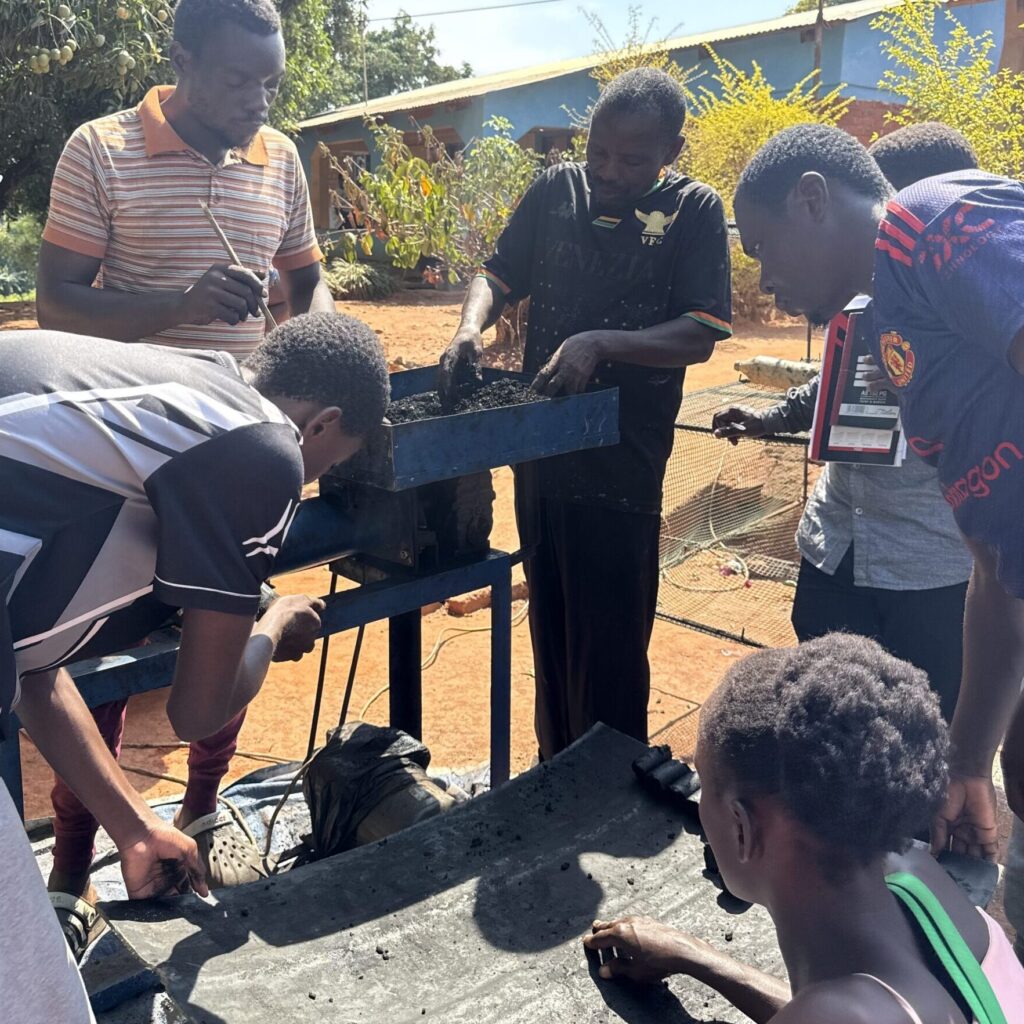
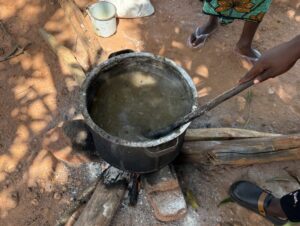
Briquettes produce a more efficient burn, with higher heat output, cleaner combustion, and less smoke, contributing to a healthier environment for the community. Their longer burn time makes them more energy-efficient and cost-effective. Because they can be made from natural, locally available materials (leftover sawdust, cassava flour, and water), they support sustainable production and reduce pressure on the surrounding environment.
Briquettes produce a more efficient burn, with higher heat output, cleaner combustion, and less smoke, contributing to a healthier environment for the community. Their longer burn time makes them more energy-efficient and cost-effective. Because they can be made from natural, locally available materials (leftover sawdust, cassava flour, and water), they support sustainable production and reduce pressure on the surrounding environment.
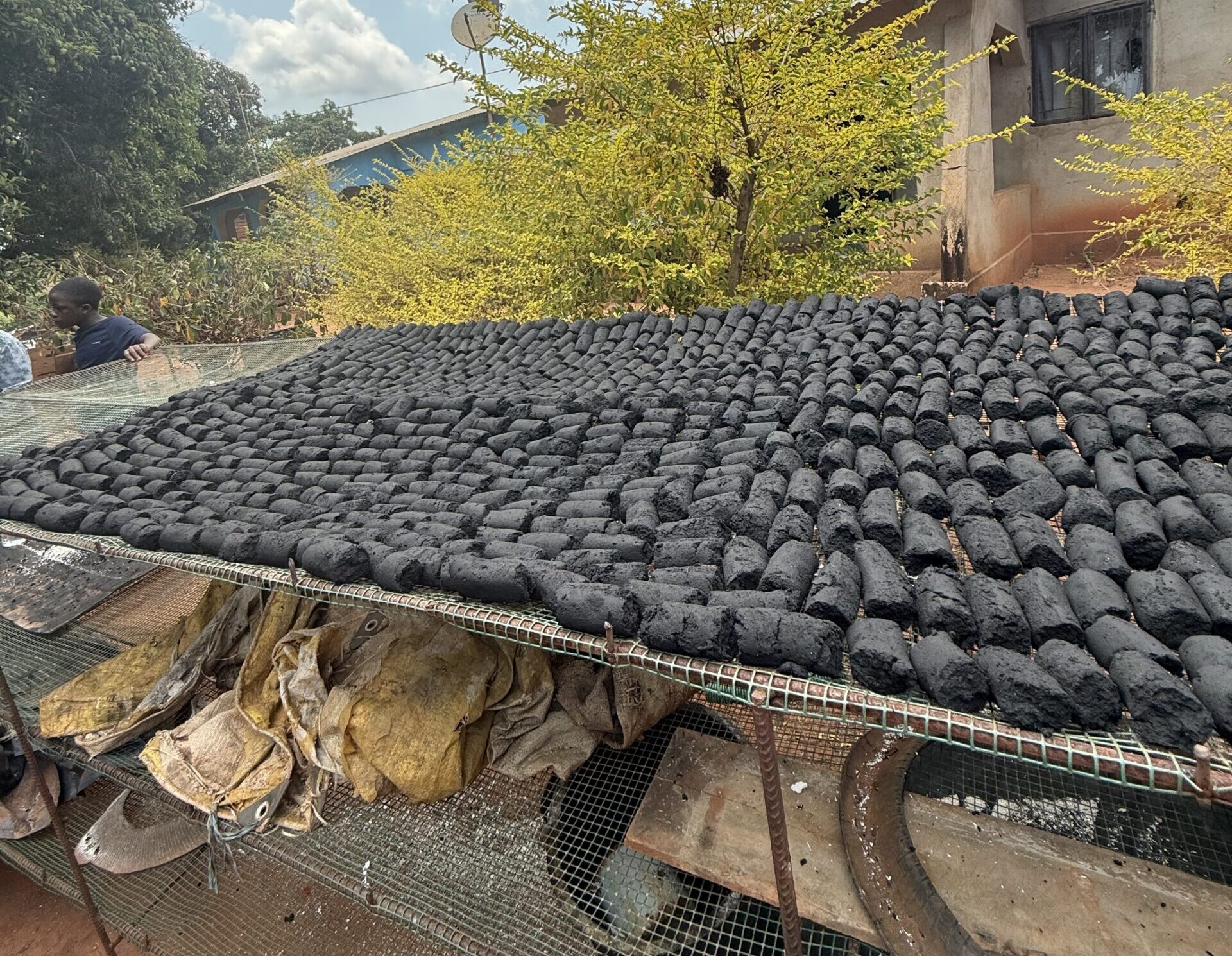
Participants expressed their excitement for this new technology as they could see how it would improve both the quantity and quality of their product. By lowering fuel costs, reducing the smoking time, and improving environmental outputs, briquettes offer participants a pathway to stronger, more sustainable livelihoods in the long term.
Fish Processing:
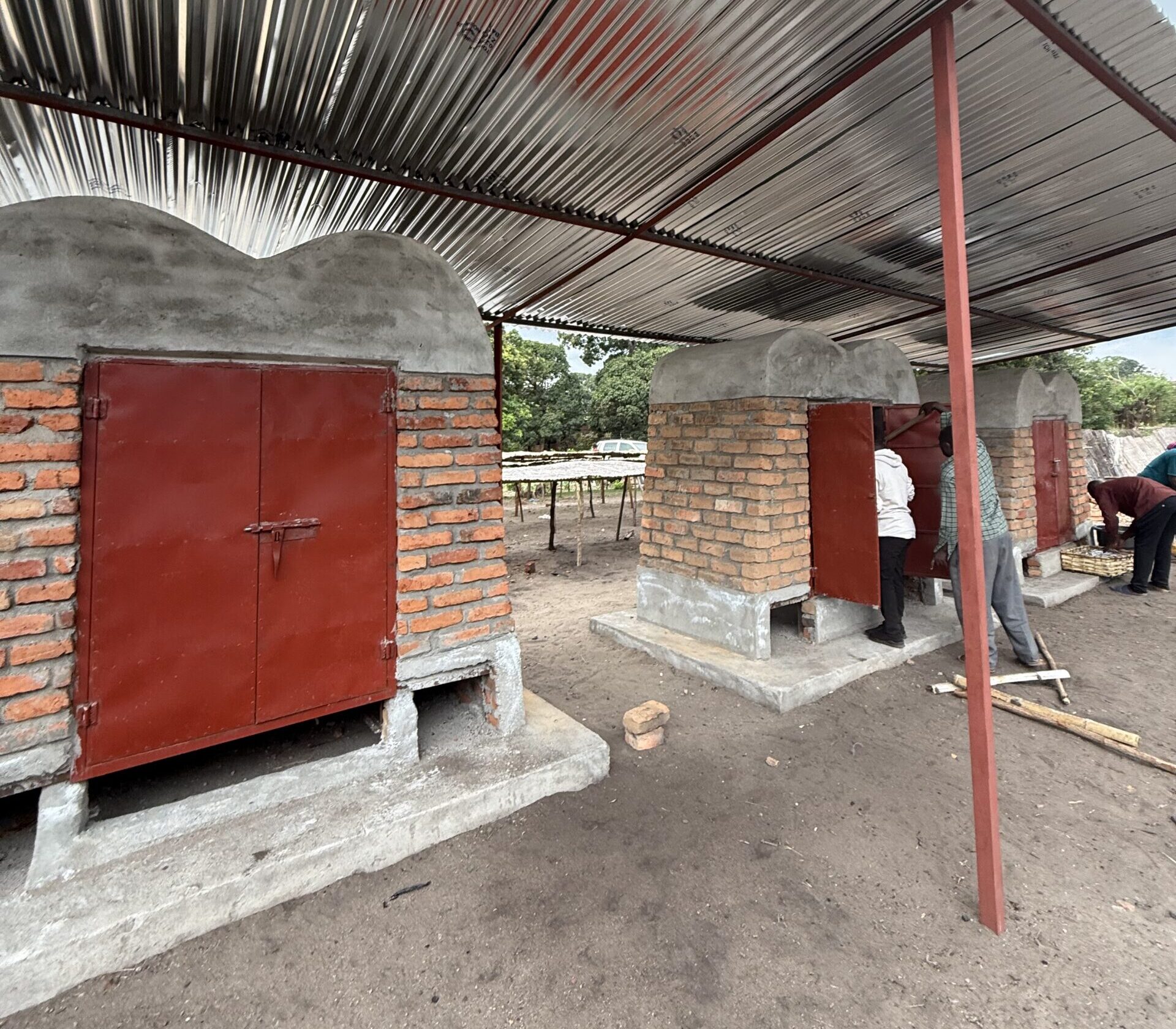
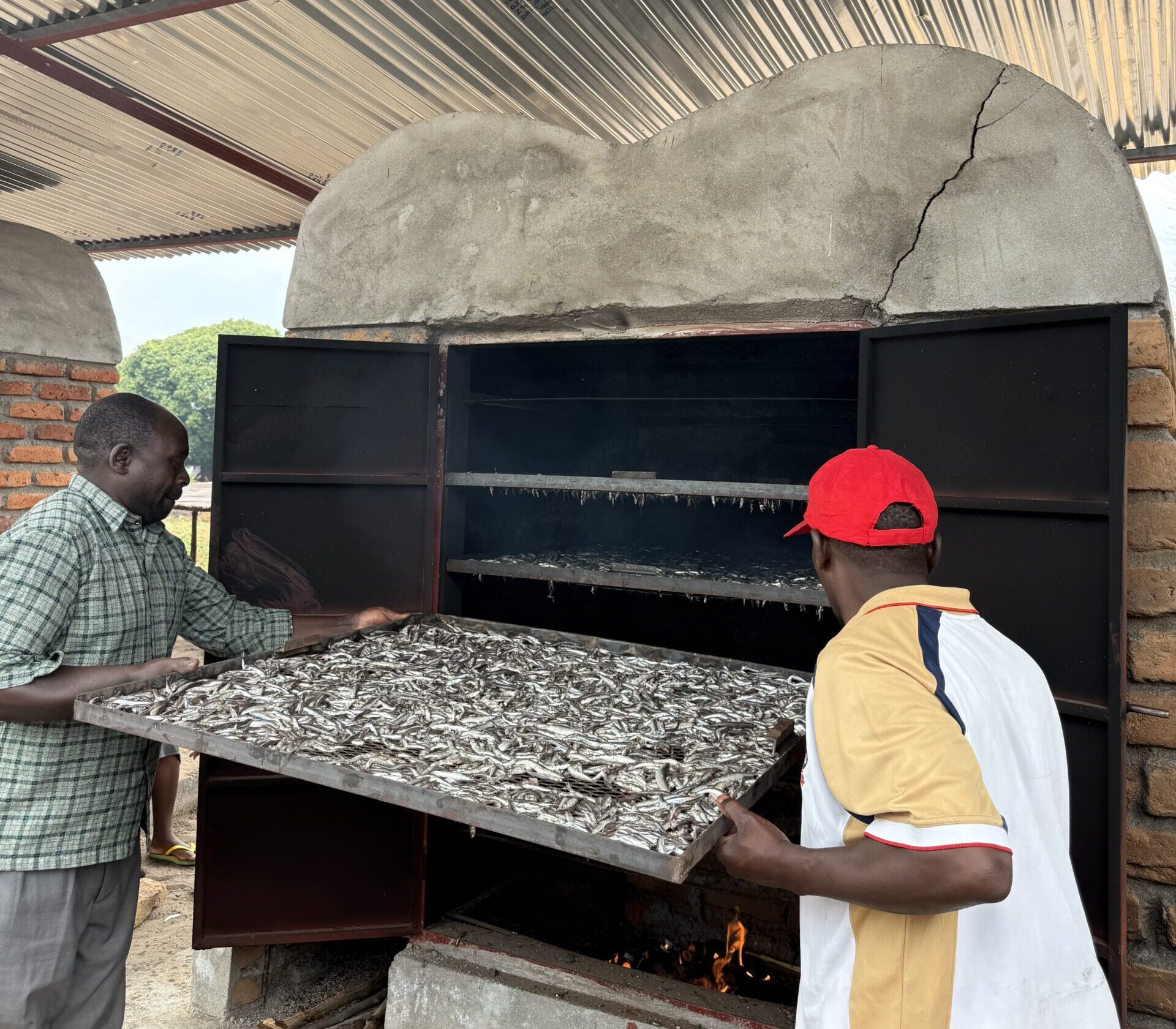
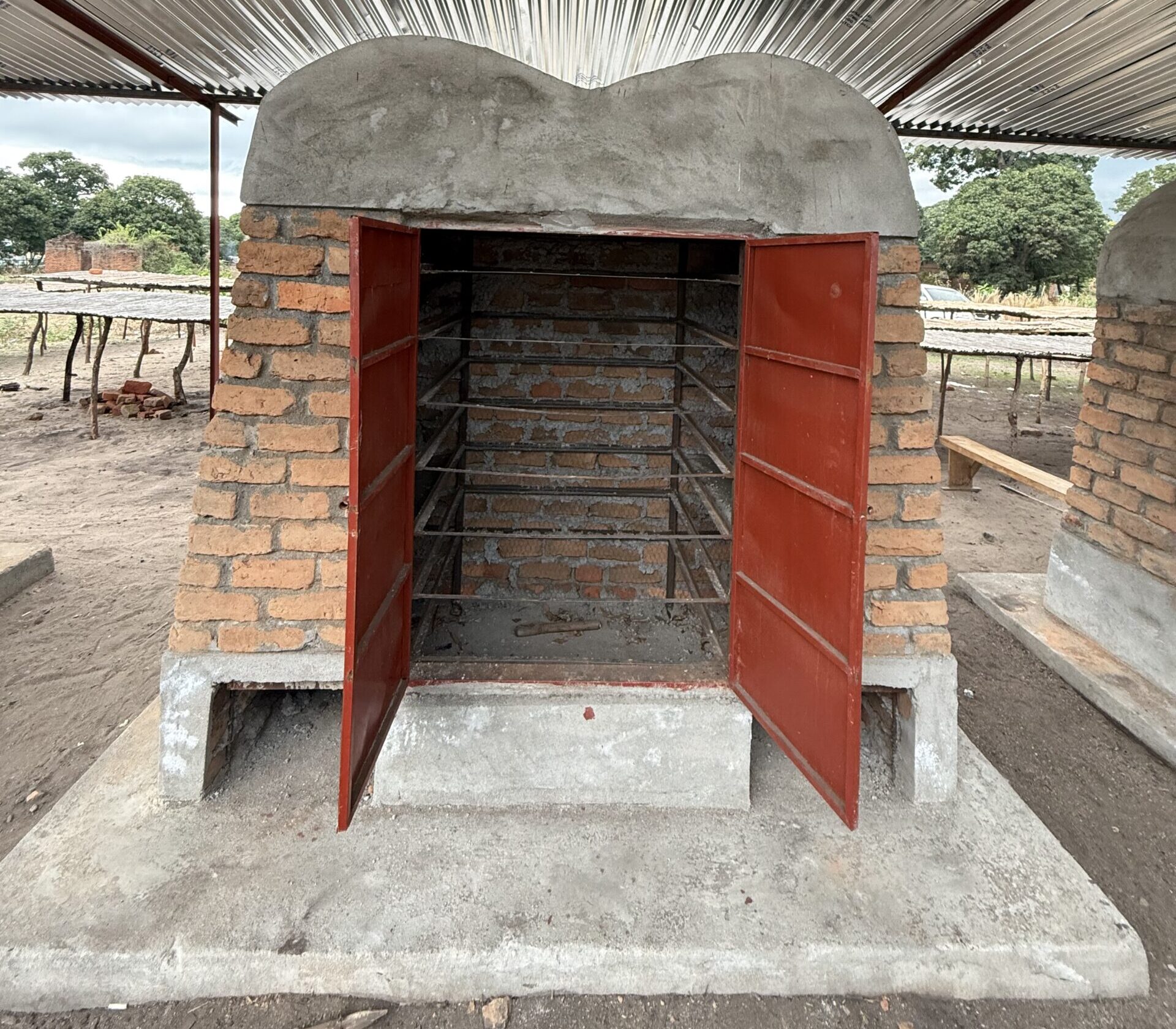
Participants were also walked through the entire smoking process with the improved kilns and briquettes to learn how to use them to their fullest potential. Unlike traditional kilns, the new kilns smoke the product more quickly and achieve more consistent results, resulting in higher production quality and quantity. Participants also quickly realized the significant benefits this would have for their production scale, access to a better market, and overall higher household income.
With the integration of briquettes into the new kilns, participants began to see a meaningful environmental shift, highlighting the long-term sustainability outcomes of moving away from firewood and traditional kilns. Because briquettes are made from locally available waste materials, their use reduces pressure on the surrounding environment and preserves vital ecosystems. Their cleaner, more efficient combustion also results in lower smoke emissions, higher temperatures, improved air quality, and reduced exposure to harmful pollutants.
Besides environmental benefits, briquettes offer a reliable, high-quality and cost-effective fuel source. By reducing the amount of fuel and firewood needed per smoking cycle, briquettes lower households’ financial burden while supporting a more self-sufficient, climate-smart approach to fish processing.
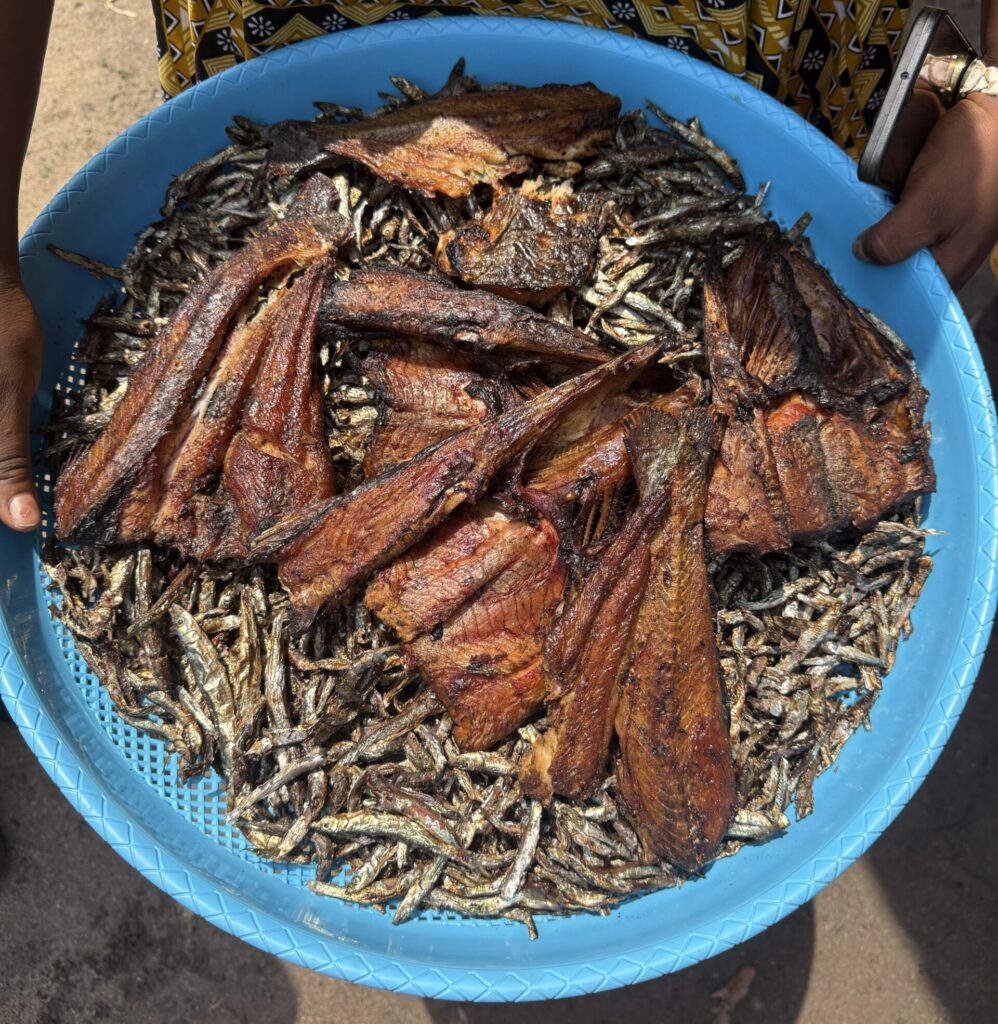
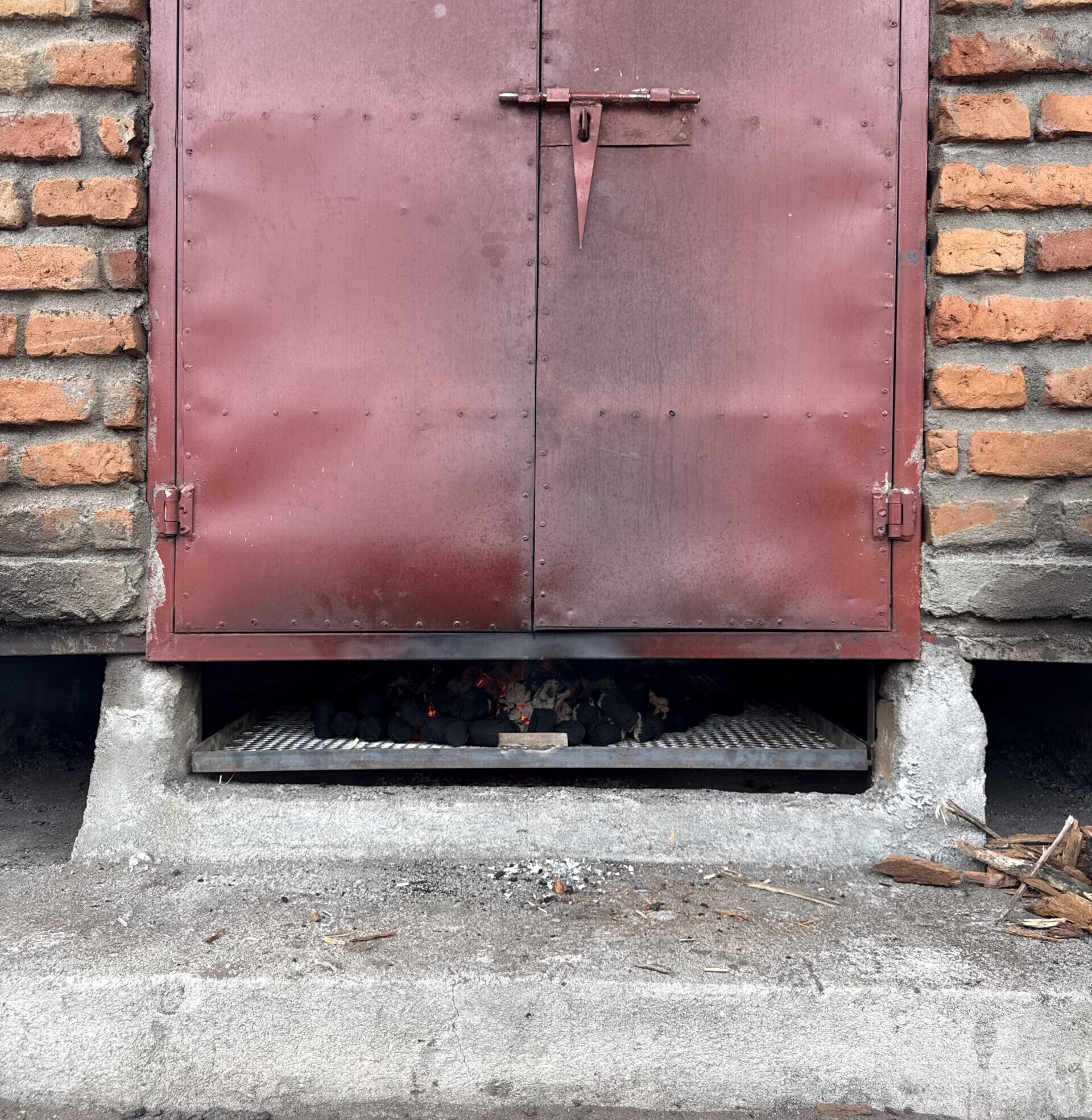
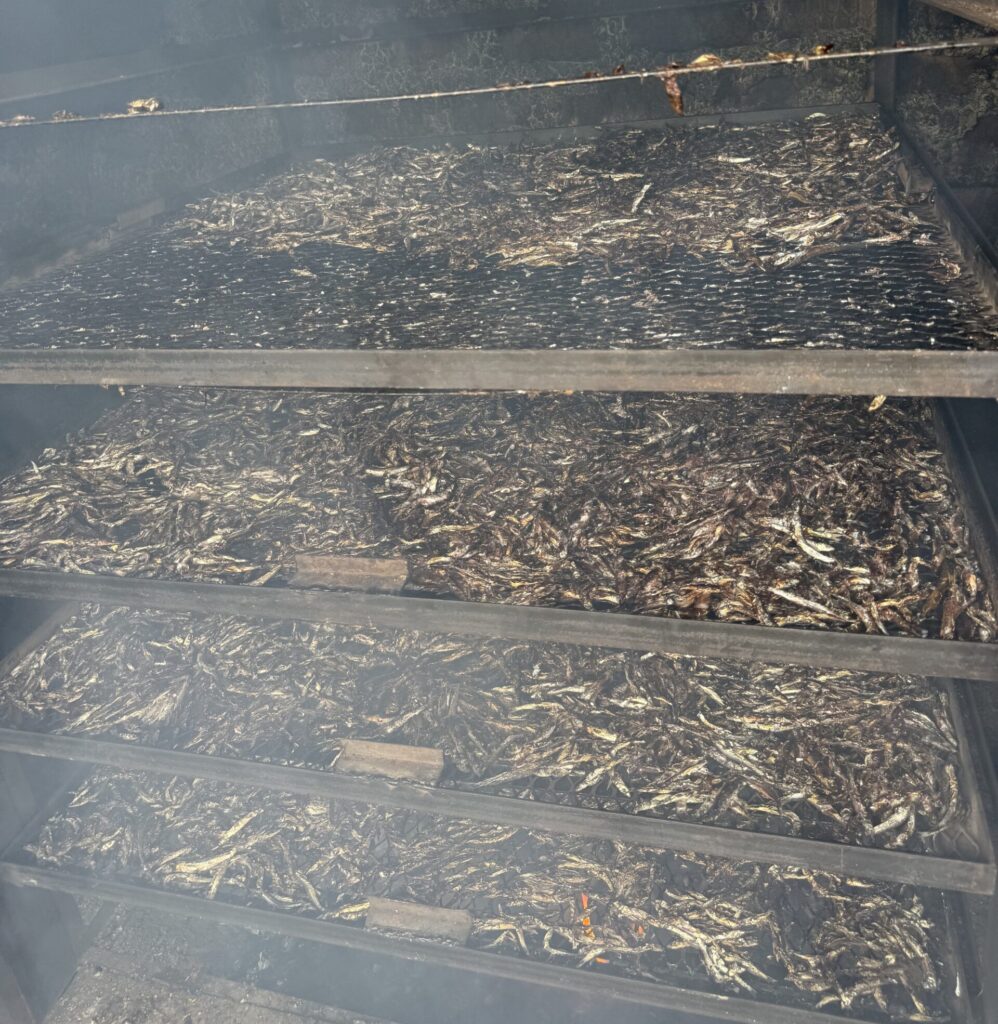
By the end of the training, participants expressed confidence in utilizing both the improved kilns and climate-smart briquette technology. Using these two new concepts together promotes sustainable fish processes, protects natural resources, and supports stronger, more resilient livelihoods for the community.
The Green-Profish project is helping provide a cleaner, more sustainable production chain in Sanga Beach. Through the briquette–kiln system, participants can now process fish more efficiently while using sustainable, climate-smart methods that reduce emissions and pressure on local ecosystems.
In the coming months, our team will continue providing technical support and monitoring to make sure the community can apply these practices independently and sustainably. As adoption grows, we expect increased production and income alongside measurable environmental gains.
This progress reflects the power of climate-smart technologies and community-led innovation. By equipping vulnerable groups, specifically women and youth, with the necessary tools and knowledge, the project strengthens livelihoods while promoting sustainable resource management. Kawjo Foundation remains committed to expanding these benefits and advancing environmentally responsible aquaculture and fish-processing practices across Malawi.
Stay tuned for further updates on how you can get involved in the initiative and subscribe to our monthly newsletter for more information here.