
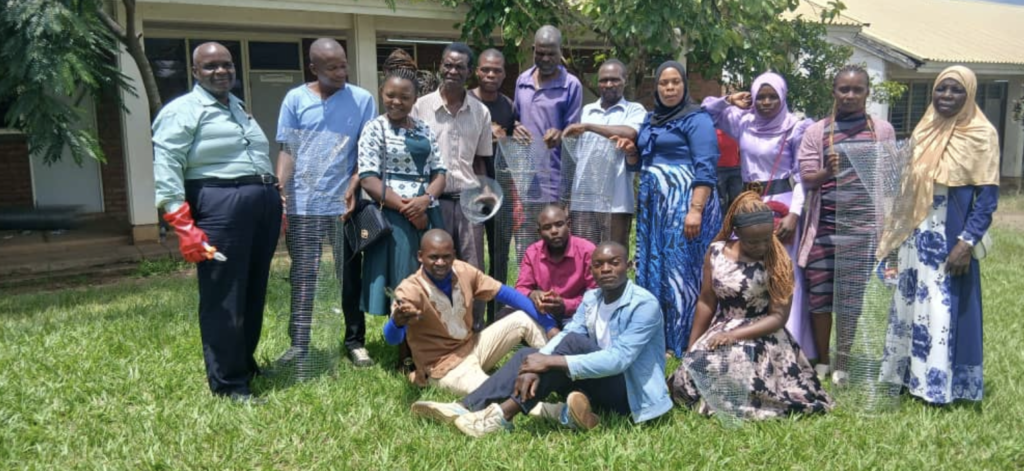
At the end of January, the Kawjo Foundation conducted a five-day Hatchery Operator Training as part of the WE4D project. This intensive training brought together fish farmers from Dowa and Dedza districts with the goal of strengthening their technical skills in fingerling production, improving hatchery management practices, and increasing their income-generating potential within the aquaculture sector.
The WE4D Project is designed to help women thrive in Malawi’s fisheries and aquaculture sectors by promoting gender-inclusive practices, improving skills and working conditions, increasing employment opportunities, and raising incomes. Women play a critical role in fisheries and aquaculture, yet they often face barriers such as restrictive gender norms, unequal access to land and capital, and limited technical training opportunities. This project directly addresses those challenges by equipping women with the technical knowledge, business skills, and mentorship needed to succeed in fingerling production and aquaculture enterprises.
As part of the project’s broader activities, including the establishment of demonstration sites for fish fingerling production, technical training, coaching and follow-up sessions, gender inclusion training, mentorship, and business development support — this refresher training focused specifically on strengthening hatchery operations and improving production practices among women fish farmers.
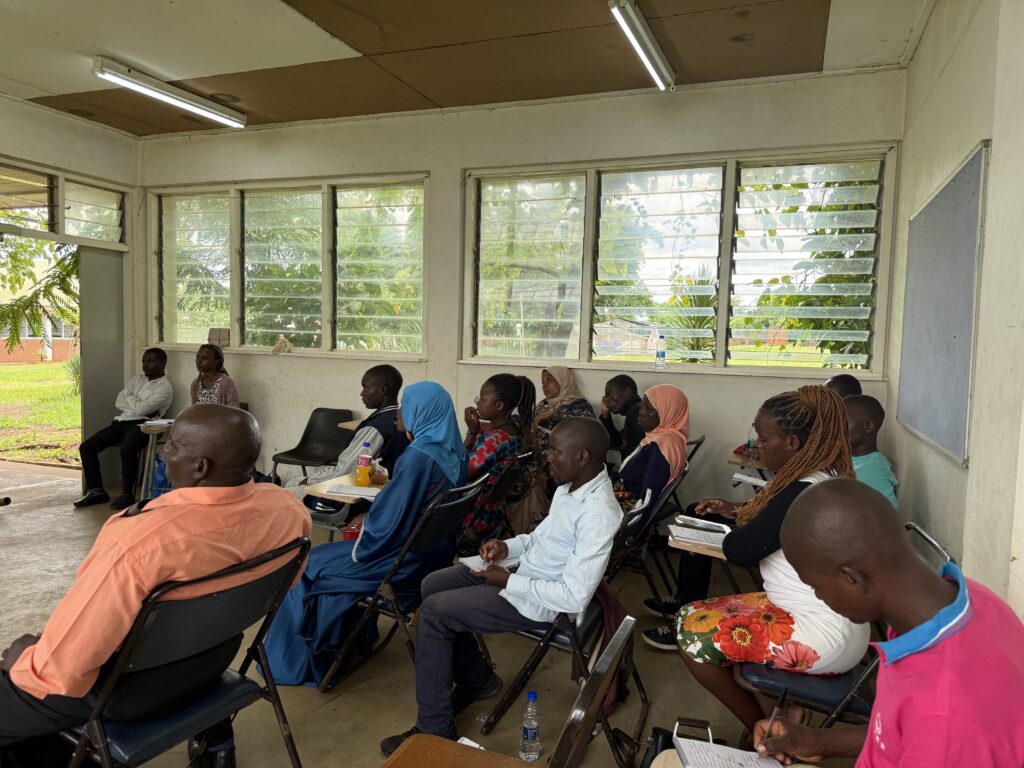
The five-day training combined theory, hands-on practice, and regulatory guidance to ensure hatchery operators gained both technical skills and operational confidence.
Day 1 focused on theory, with detailed sessions on hatchery planning and the selection of high-quality fingerlings. Participants learned what makes an effective hatchery layout and how fingerlings quality directly affects fingerling survival and growth.
Day 2 shifted to practical learning, covering fingerling selection, handling and transportation, egg collection, and egg hatching using incubators. This day emphasized hygiene and proper handling techniques to increase hatch rates.
Day 3 returned to theory, with sessions on catfish breeding, hatchery record keeping, hatchery economics, and greenhouse management. This helped equip participants with the knowledge needed to manage hatcheries as sustainable businesses.
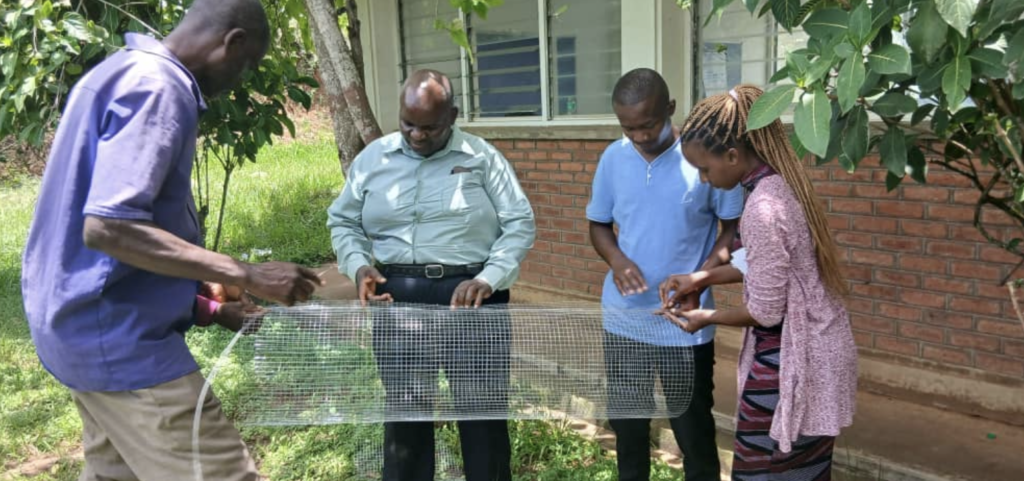
Day 4 was fully practical, with participants learning how to make mono (fish traps), an important skill for hatchery and farm management.
Day 5 concluded with representatives from the Department of Fisheries, who briefed participants on the requirements and standards needed to become a certified hatchery operator, reinforcing the importance of compliance, quality assurance, and professionalism in the sector.
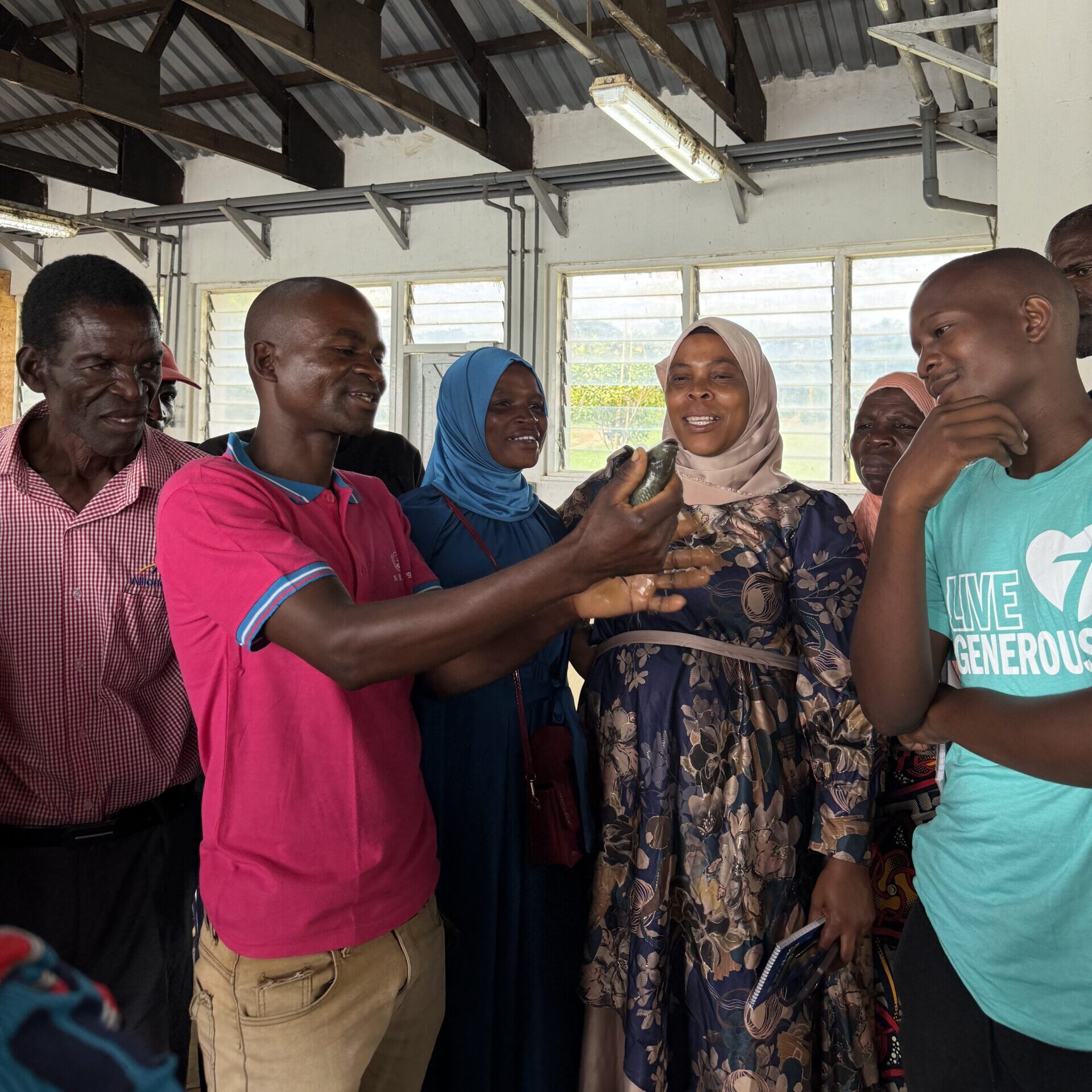
This phase of the project focused specifically on refresher training for selected women fish farmers, building on their existing experience and strengthening their capacity in hatchery management, fingerling production, and pond management. Through continued mentorship, coaching, and follow-up sessions, the WE4D project will support participants to apply improved practices within their existing systems, increase productivity and income over time, and contribute to a more resilient and gender-inclusive aquaculture sector in Dowa and Dedza.
Take a look at the video below to see how Day 2 of the training went, highlighting the hands-on learning and practical skills being applied in real time.